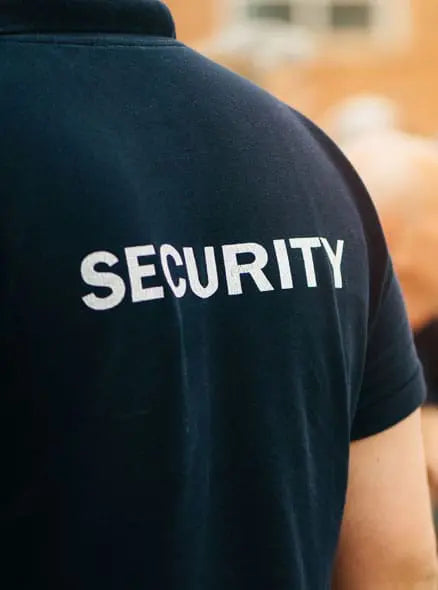
A disagreement at a building entrance, an agitated visitor refusing to follow access procedures or a confrontation on commercial premises can quickly become a challenging situation for a security guard. Knowing how to respond professionally is an important part of maintaining a safe and controlled environment.
For security professionals, conflict management involves more than resolving arguments. It requires recognising potential risks, communicating clearly, maintaining professional boundaries and understanding when a situation needs further assistance. These responsibilities make conflict management training for security guards an important consideration for anyone preparing to work in the private security industry.
As an established provider of online security training in Ireland, the International Centre for Security Excellence (ICSE) supports learners working towards recognised security qualifications and preparing for professional guarding responsibilities.
Whether you are considering your first security role or looking to strengthen your professional knowledge, this guide explains why conflict management is important in security work, how to manage workplace disagreements and which skills support effective security guarding.
Why Is Conflict Management Important in Security Work?
Security guards interact with employees, visitors, customers, contractors and members of the public. Differences in expectations, misunderstandings and refusal to follow site procedures can create disagreements that require a professional response.
Understanding why conflict management is important in security work helps guards recognise that their responsibilities extend beyond monitoring premises and controlling access. They must also know how to respond when interactions become difficult, without exceeding their authority or putting themselves and others at unnecessary risk.
Effective conflict management in security can help achieve the following outcomes:
- Maintain a safer environment: Recognise potential risks and take appropriate action to protect people on the premises.
- Prevent unnecessary escalation: Identify early signs of tension and respond calmly before a disagreement becomes more serious.
- Support professional communication: Explain security requirements clearly and handle challenging interactions respectfully.
- Maintain workplace procedures: Apply access rules and site instructions consistently, even when challenged.
- Protect professional standards: Remain impartial and follow the responsibilities associated with the assigned security role.
For these reasons, conflict resolution training for security officers is a relevant area of professional development. Security personnel need to understand how to assess interactions, communicate appropriately and follow the correct procedures.
What Types of Conflict Situations Do Security Guards Face?
The situations a security guard encounters depend on the workplace and the responsibilities assigned to them. A guard monitoring a retail premises may deal with customer disagreements, while someone responsible for a construction site may need to manage access disputes involving contractors and visitors.
| Security Environment | Possible Conflict Situation | Key Consideration for the Guard |
|---|---|---|
| Retail premises | Customer complaints or disagreements over store procedures | Professional communication and personal safety |
| Commercial buildings | Visitors challenging access restrictions | Authorisation requirements and access procedures |
| Construction sites | Contractors or visitors attempting unauthorised entry | Site rules and workplace safety |
| Factories and warehouses | Disagreements involving staff or delivery personnel | Workplace procedures and incident reporting |
| Public-facing premises | Confrontational interactions or aggressive behaviour | Risk awareness and appropriate assistance |
These examples show why managing conflict as a security guard requires situational judgement. The correct response depends on the circumstances, the level of risk and the guard's assigned responsibilities.
Managing Conflict in the Workplace: The Role of Security Guards
Managing conflict in the workplace can involve situations that go beyond a disagreement between a visitor and a security officer. Security guards may witness disputes between employees, confrontations involving customers or disagreements about workplace rules and access requirements.
However, security guards are not responsible for resolving every workplace disagreement. Their role is to identify whether a situation creates a security or safety concern, follow the employer's procedures and refer matters to the appropriate supervisor or management team when necessary.
Consider these distinctions:
- Employee disagreements: A disagreement between colleagues may be a management or HR matter. Security personnel should become involved when there is a safety concern or when their assigned duties require it.
- Disputes involving visitors: Guards may need to explain access restrictions, verify authorisation or refer the issue to the relevant site contact.
- Aggressive behaviour: If an individual becomes threatening or creates a risk to others, the guard should follow the appropriate safety and escalation procedures.
- Refusal to follow security instructions: Guards should communicate the relevant requirements clearly and seek assistance if the situation cannot be managed within their authority.
The priority when managing workplace conflict is to maintain safety, remain impartial and understand when an incident needs to be reported rather than attempting to resolve matters outside the security role.
How Can Security Guards Manage Conflict Situations?

Knowing how to manage conflict situations in security work requires a calm and structured approach. Although every incident is different, the following steps can help security guards respond professionally.
1. Assess the Situation
Establish what has happened, who is involved and whether there is an immediate safety concern. For example, a visitor may be frustrated because they have not received access authorisation, while another individual may be behaving aggressively towards staff.
Assessing the circumstances helps the guard decide whether to continue the interaction, seek assistance or follow an escalation procedure.
2. Listen and Communicate Clearly
Allow the individual to explain their concern where it is safe to do so. Use straightforward language, maintain a professional tone and explain relevant security instructions without becoming argumentative.
Clear communication can help address misunderstandings and prevent unnecessary confrontation.
3. Maintain Professional Boundaries
Security guards should remain impartial and avoid becoming personally involved in disagreements. They should explain applicable site rules, maintain appropriate personal space and avoid making promises or decisions outside their authority.
4. Recognise When a Situation Is Escalating
Aggressive language, threatening behaviour, intimidating gestures or attempts to physically confront another person may indicate that a situation is becoming unsafe.
Guards should remain aware of their surroundings, consider the safety of others and avoid continuing an interaction when doing so could increase the risk.
5. Follow Reporting and Escalation Procedures
Not every disagreement can be managed through conversation. Where there is a threat to safety, guards should seek appropriate assistance, follow workplace procedures and contact emergency services where necessary.
Incident records should be factual, clear and completed in accordance with the employer's reporting requirements.
Essential Conflict Management Skills for Security Guards
Developing effective conflict management skills for security officers involves communication, observation, judgement and professional conduct. These skills help security personnel respond to challenging interactions while maintaining appropriate boundaries.
| Skill or Technique | How It Supports Security Work |
|---|---|
| Active listening | Helps guards understand concerns before deciding how to respond. |
| Verbal communication | Supports clear instructions and professional interactions. |
| Emotional control | Helps prevent personal reactions from worsening a disagreement. |
| Situational awareness | Helps identify potential risks and changes in behaviour. |
| Professional body language | Supports a calm interaction while maintaining appropriate personal space. |
| Decision-making | Helps guards choose an appropriate response based on the circumstances. |
| Incident reporting | Ensures relevant security events are recorded and passed to the appropriate people. |
Practical Conflict De-escalation Techniques
Conflict de-escalation techniques are intended to reduce tension and help prevent a difficult interaction from becoming more serious. Their application depends on the situation, the individual's behaviour and the guard's training and authority.
Security officers should consider the following approaches:
- Use calm verbal communication: Speak clearly and avoid shouting or confrontational language.
- Listen before responding: Give individuals an opportunity to explain their concerns where it is safe to do so.
- Maintain appropriate personal space: Avoid unnecessary physical proximity or intimidating gestures.
- Explain boundaries and procedures: Make expectations clear without becoming argumentative.
- Avoid taking sides: Base decisions on observable facts and relevant workplace procedures.
- Know when to seek assistance: Do not attempt to manage threatening or unsafe situations beyond your training or authority.
These approaches provide practical ways to manage conflict situations in security work while keeping safety and professional responsibilities at the centre of each decision.
Explore the key benefits of completing a recognised QQI Level 4 Static Guarding Skills course with ICSE.
Explore the Benefits of Static Guarding Skills →
Why Is Professional Security Training Important?
Conflict management is one aspect of preparing for security work. Security guards also need to understand access control, workplace procedures, observation, incident reporting and the responsibilities associated with their role.
This is where professional security training in Ireland becomes relevant. A recognised qualification provides a structured learning pathway for individuals preparing to enter the private security industry.
When comparing a security guard training course, consider:
- Whether the programme leads to a recognised qualification.
- Whether the course prepares learners for the responsibilities of their intended security role.
- How the training is delivered and whether trainer support is available.
- What learning and assessment requirements must be completed.
- Whether the qualification supports the relevant PSA licensing pathway.
If you are new to the industry, our guide on how to become a security guard in Ireland explains the training and licensing process.
Start Your Security Training with ICSE – QQI Level 4 Static Guarding Skills
If you are planning to enter the private security industry, choosing the right qualification is an important first step. The QQI Level 4 Static Guarding Skills course from the International Centre for Security Excellence (ICSE) is designed for individuals preparing for static security guarding responsibilities.
ICSE provides online security training in Ireland, offering QQI-recognised security qualifications through scheduled online learning. The Static Guarding Skills programme develops the knowledge and theory required for guarding responsibilities in environments such as shops, factories, warehouses and construction sites.
ICSE Static Guarding Skills Course Details
| Course Information | Details |
|---|---|
| Course name | Static Guarding Skills |
| Qualification code | 4N20604 |
| Qualification level | QQI Level 4 |
| Course fee | €395 |
| Delivery | Live online training through Zoom |
| Total learning hours | 100 hours |
| Course schedule | Six scheduled sessions plus final assessment |
| Delivery duration | Two weeks |
What Will You Learn Through Static Guarding Skills Training?
The programme provides knowledge relevant to the responsibilities of a static security guard. Its focus includes:
- Security guarding procedures: Understand the responsibilities involved in protecting premises and supporting site security.
- Access control: Develop knowledge of monitoring entrances and managing authorised access.
- Workplace awareness: Prepare for guarding responsibilities in retail premises, factories, warehouses and other environments.
- Security reporting: Understand the importance of communicating and recording relevant security information.
- Professional responsibilities: Build knowledge of the standards and procedures expected in a guarding role.
The qualification supports preparation for static guarding work. It should not be confused with a separate specialist conflict management security course. The conflict-management guidance in this article covers broader professional skills relevant to security work.
Why Choose ICSE for Security Training in Ireland?
Choosing an established training provider is an important part of preparing for a security career. ICSE offers:
- Over 20 years of experience: Established experience in delivering online security training.
- QQI-recognised qualifications: Security training options at QQI Levels 4 and 6.
- Live online learning: Scheduled Zoom sessions with direct trainer contact.
- Structured learner support: Pre-course guidance and trainer interaction throughout the learning process.
- Industry-focused training: Qualifications designed around responsibilities within Ireland's private security sector.
Explore the ICSE QQI qualifications to learn more about its training pathways.
Take the Next Step Towards Your Security Career
Developing professional communication, situational awareness and decision-making skills can help you prepare for the responsibilities of security guarding. If you are ready to work towards a recognised qualification, ICSE's QQI Level 4 Static Guarding Skills course offers a structured online training route.
Review the upcoming course dates, check the entry requirements and book your place.
Explore the Static Guarding Skills Course and Enrol with ICSE
Need help choosing the right training option? Contact the ICSE team for course information and enrolment guidance.